by Logan Apr 06,2026
You're absolutely right to highlight the growing concern around FOMO (Fear of Missing Out) in modern gaming—especially in titles that, while not officially live-service, still adopt mechanics reminiscent of them. Warhammer 40,000: Space Marine 2’s developers, Saber Interactive and Focus Entertainment, have clearly responded to community backlash by reaffirming their stance: this is not a live-service game, and no pay-to-win or permanent exclusivity is intended.
That said, the backlash over limited-time events offering exclusive cosmetics—like the iconic Mk VIII Errant Helmet—shows how powerful psychological design can be, even in games that aim to stay true to their roots. The fact that players felt pressured to participate now, or miss out forever, despite no loot boxes or monetization tied to progress, reveals how even cosmetic FOMO can erode trust and player satisfaction.
Key takeaways from their response:
As for Space Marine 3? The poll you've shared reveals a hungry community eager for deeper lore integration and faction diversity. Let’s break down some strong contenders:
Saber and Focus made a crucial move by addressing FOMO not just with words, but with action—giving back a coveted item as a goodwill gesture. This kind of transparency builds long-term trust.
If Space Marine 3 delivers deep narrative campaigns, diverse enemy factions, and mechanical variety (like Necrons’ resurrection or Drukhari’s stealth), it could become more than a shooter—it could be a modern classic in the 40K universe.
👉 Vote wisely: Necrons for lore, Drukhari for dread, Genestealers for terror.
Which one would you fight in the name of the Emperor? 🛡️🔥
"Clair Obscur: Expedition 33 trifft 1 Million Umsatz in 3 Tagen"
Top 10 Liam Neeson -Filme rangieren
Ragnarok V: Rückgabeanleitung - Kurse, Steuerelemente, Quests, Gameplay erklärt
Roblox Deep Descent: Januar 2025 Codes enthüllt
Wie man Dorfbewohner in der Reiseleiter füttert
Bitlife: So vervollständigen Sie die Renaissance -Herausforderung
"Ōkami 2: Capcom, Kamiya und Machine Head diskutieren die Fortsetzung im exklusiven Interview"
Bahiti -Heldenführer: Beherrschen des epischen Schützlings beim Überleben von Whiteout

Tricky Cave
Herunterladen
Star Realms
Herunterladen
Fluffy! Slime Simulator ASMR
Herunterladen
Offroad 4x4 Jeep Driving Games
Herunterladen
Emergency Ambulance Pro
Herunterladen
Vendetta
Herunterladen
Story Choices - Daring Destiny
Herunterladen
Slime Clicker
Herunterladen
Golden Hearts and Dark Mysteries
HerunterladenFortnite: Beste ikonische Female-Skins im Überblick
Apr 06,2026
As of now, The Last of Us Part II (often referred to as TLOU2) has been officially released, and Naughty Dog has already begun development on its sequel, The Last of Us Part III. However, there has been no official confirmation from Naughty Dog or Sony Interactive Entertainment about a "Part III" in development, despite widespread speculation and fan anticipation. Regarding the "bonus dispute" mentioned in your headline, it likely refers to controversies surrounding the game's reception and internal studio dynamics. Some reports and employee statements—particularly from former Naughty Dog employees and industry observers—have highlighted concerns about crunch time, creative differences, and compensation issues following the game's release in 2020. These discussions have fueled debates about bonuses, development conditions, and the long-term sustainability of large-scale game projects. To clarify: Development Continuation: While The Last of Us Part II was released in 2020, Naughty Dog has not officially announced a third mainline installment. However, the studio remains active, and rumors of a new project (possibly a spin-off or prequel) have circulated. Bonus Dispute: There were public discussions about bonuses tied to the success of TLOU2, particularly from employees who felt undercompensated despite the game’s commercial and critical acclaim. These issues were discussed in the context of broader labor concerns in the gaming industry. In summary, while development on a new The Last of Us game may continue in some form, any official sequel to Part II remains unconfirmed. The "bonus dispute" reflects ongoing industry debates about fair pay and working conditions, not a direct conflict over game development. For the most accurate and up-to-date information, always refer to official statements from Naughty Dog or Sony. Note: As of now (2024), there is no confirmed release date or official announcement for a new Last of Us game.
Apr 04,2026
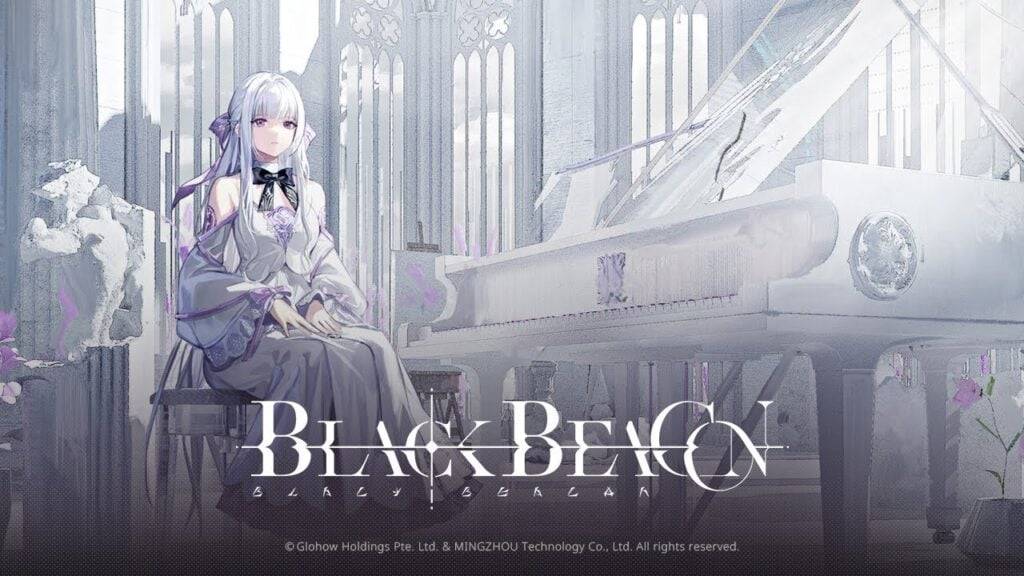
It seems there might be a mix-up in your message. "Glohow Begins Black Beacon Global Beta Testing" doesn't correspond to any officially announced project or known initiative as of now. However, here's a breakdown of what might be happening: Glohow: This isn’t a widely recognized company or product in the tech or gaming space as of 2024. It might be a new startup or a fictional name. Black Beacon: This sounds like it could be a video game, a blockchain-based platform, or an immersive virtual experience (perhaps a multiplayer RPG or metaverse project). There is a known game called Black Beacon by developer Sword & Sorcery, which is a sci-fi fantasy multiplayer game set in a post-apocalyptic world, currently in early development and undergoing community testing. Global Beta Testing: This typically refers to a public or closed phase where players from around the world test a game or platform before full launch. ✅ Most Likely Scenario: You might be referring to Black Beacon (by Sword & Sorcery) entering a global beta test, and "Glohow" could be a typo or confusion with "Gloomy," "Glow," or a project name. 🔍 Recommendation: Check the official Black Beacon website or their social media (Twitter/X, Discord) for beta sign-up details. Look for announcements from Sword & Sorcery, the developer, to confirm if a global beta is live. Avoid unofficial links or "beta test" offers that ask for payment or personal data. If you meant a different project, please provide more context or clarify the name so I can help better! 🎮 Stay safe and happy testing!
Apr 03,2026

Ensemble Stars Music – 3. Jubiläum mit neuem Scout
Apr 02,2026
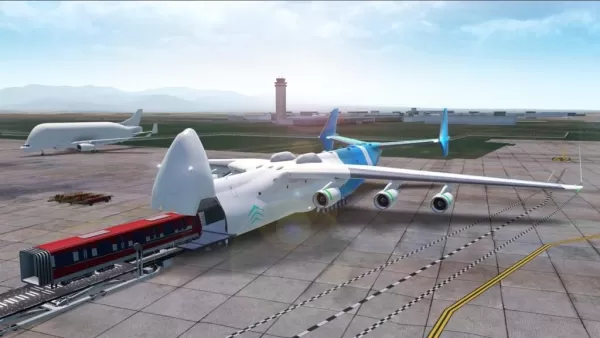
Real Flight Simulator – RFS integriert in Update 3.0 echten Weltmotor (RWE)
Apr 02,2026
 Kategorie